Renewable energy firm launches floating solar power farm in Rizal, Philippines

floating solar power farm Rizal Philippines

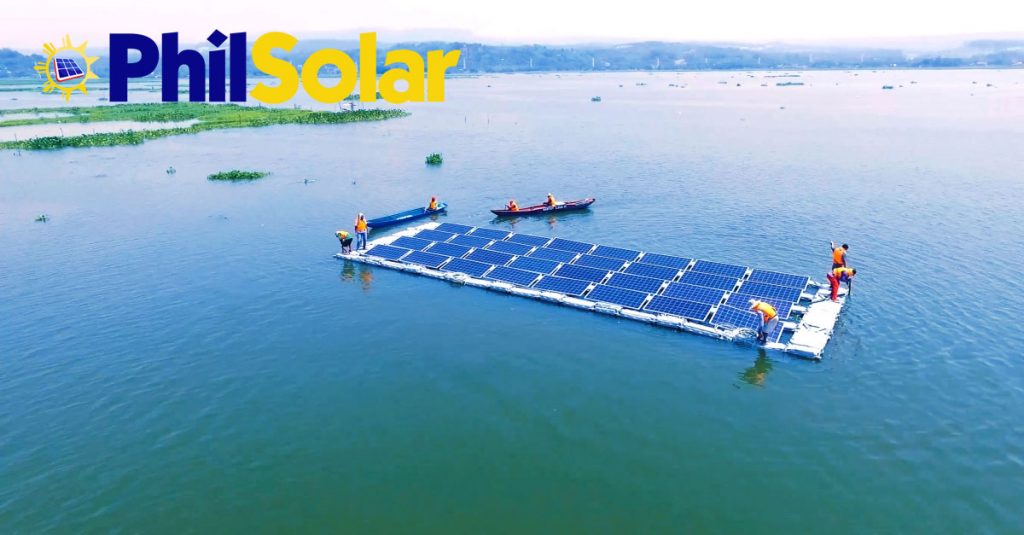
[intense_lead]MANILA - Sustainable energy firm Winnergy Holdings Corp  said it has inaugurated its pilot floating solar power farm in Baras, Rizal, intended to supply the town with free and clean energy. [/intense_lead]

The 10kWp project, designed to last for 25 years, utilizes solar panels on top of water to generate enough energy to power the Kasarinlan Park in Baras, Winnergy President Janina Bonoan told ABS-CBN News. 

A connecting station was also built allowing residents to use the power generated for charging gadgets, powering sound systems and lighting up the river, she said.

“The purpose of undertaking the pilot is to demonstrate the technical feasibility of floating solar technology in the country and, more specifically, on Laguna Lake, Bonoan said. “The pilot also forms part and paves the way for the development of a much larger and commercially-viable project, also being developed by Winnergy,” she added.

Compared to traditional solar power facilities, floating farms are “technically more efficient” since no agricultural forest lands are disrupted.

It also reduces water evaporation and the proliferation of algae so marine life can flourish, Bonoan said, adding that the surrounding water makes the panels produce more energy. 

As an archipelago with inland and offshore bodies of water, the Philippines has a huge potential for floating solar farms, she said. 

Bonoan said this technology could also make use of lakes created by abandoned open-pit mining by deploying solar panels on top of it.

Meanwhile, conglomerates such as the Aboitiz Group, Ayala Group and San Miguel Corp also have interests in renewables. 

PH solar power plants among Southeast Asia’s top 25

solar power philippines

Philippine facilities occupy 10 slots in Southeast Asia’s top 25 operational solar power plants, and electricity produced from this technology is expected to triple in four years, according to Dutch firm Solarplaza.

The Rotterdam-based consultancy said in a report that grid-connected solar power capacity in the Philippines was expected to more than triple from 903 megawatts currently to 3 gigawatts by 2022.

Rivaling the Philippines is Thailand with 15 solar facilities in the list. The remaining two are located in Malaysia and Cambodia.

No. 1 in Solarplaza’s list is 132.5-MW Cadiz solar power plant in Negros Occidental. Owned by the Equis Fund Group, this went online in 2016 and is the biggest in Southeast Asia.

Other Philippine solar plants listed by Solarplaza are the 80-MW San Carlos Solar Energy plant (ranked 8th); 63-MW Solar Philippines plant in Calatagan, Batangas (9th) ; 59-MW Toledo project of Citicore Power in Cebu (10th), and 59-MW San Carlos Sun Power plant in Negros Occidental (11th).

There are also the 50-MW plant of Sulu Electric Power and Light in Leyte (12th); 50-MW plant of Syntegra Solar and Conergy in Tarlac (13th); 45-MW plant of San Carlos Solar Energy in San Carlos City (14th); 40-MW plant of Majestics energy Corp. and Mother Co. in Cavite (16th); and 22-MW plant of Mabalacat Solar Philippines in Pampanga.

“The Philippines has enjoyed large growth in PV (photovoltaic) installations in the past few years, with more than 881 MW of newly added capacity installed since 2014,” Solarplaza said.

“This was mainly the result of the introduction of the country’s initial feed-in-tariff (FiT) of $0.23 per kilowatt-hour in 2014 and its subsequent revision to $0.17 per kWh in 2017,” the group added.

In an earlier report, Solarplaza put the Philippines at No. 5 among developing countries in Asia in terms of the use of solar photovoltaic systems for electricity generation.

Solar Power Is Burning Bright. But It’s Hardly Twilight for Fossil Fuels

Solar Power Is Burning Bright

UNITED NATIONS — Solar panels are everywhere: perched on thatched roofs in rural Kenya, helping Indian farmers pump groundwater for their fields, and powering United States military bases.

Solar power accounted for more than a third of all electricity generated from energy sources that came online in 2017, a larger share than any other new source, the United Nations Environment Program said in a report issued Thursday.And solar power is becoming much more affordable. The cost of electricity from large-scale solar projects has dropped by 72 percent since 2009, according to the study.

But even as solar, along with its renewable energy cousins — like wind, biomass and geothermal power — expands, it still accounts for barely 12 percent of all the electricity that the world consumes. The greatest share still comes from fossil fuels like coal, and more coal-fired power plants continue to be built, contributing to the greenhouse gas emissions that have warmed the planet to dangerous levels.

“This shows where we are heading,” said Nils Stieglitz, a professor at the Frankfurt School of Finance & Management, which produced the report along with Bloomberg New Energy Finance.

“The fact that renewables altogether are still far from providing the majority of electricity means that we still have a long way to go.”

The world leader in investing in renewables, by far, is China. The country accounted for nearly half of all renewable energy investments worldwide, pumping $86.5 billion into solar energy alone in 2017 in what the report described as “an extraordinary solar boom.”

China has cut back significantly on coal at home, though it has continued to fund and build coal-fired power plants abroad. One of the most closely watched is a proposed plant on the coast of Kenya, near the ancient island town of Lamu, a Unesco world heritage site.

The United States also plays a leading role in developing solar power. It is historically the largest emitter of greenhouse gases, though, and its investments in renewables went down slightly in 2017, according to the report, to $40.5 billion.

That decline coincides with President Trump’s first year in office, a steady rollback in environmental protections and the announced pullout of the United States from the Paris climate agreement. Few countries are even close to meeting the targets they set under the Paris agreement, according to independent analyses.

European investment in renewables fell in 2017, according to the report, in large part, its authors said, because of Britain, which has moved to end subsidies for wind and solar projects. 

That pointed to a looming challenge for the renewables industry: whether it can grow without government subsidies.

“Many projects will have to sink or swim without any government-backed price support,” the report said.

Renewables grew most significantly in 2017 where the demand for electricity also grew. The report found that developing economies accounted for 63 percent of global investment in renewable energy in 2017, up from 54 percent the year before. All told, 157 gigawatts of renewable power came online in 2017, more than double the 70 gigawatts generated from new fossil fuel sources.

The United Nations secretary general, António Guterres, has called climate change the biggest threat to humanity.

Philippines 5th worldwide, top in Asia in Solar Power

philippines top in asia solar power

The Philippines ranked No. 1 among developing countries in Asia in terms of the use of solar photovoltaic systems for electricity generation, according to a Dutch consultancy firm.

Rotterdam-based Solarplaza also ranked the Philippines fifth worldwide, following Chile, South Africa, Brazil and Thailand.

“The country (Philippines) is still relatively young when it comes to solar development, but was able to get seven active projects ranked in the top 50 list,” Solarplaza research analyst Marco Dorothal said in a report.

Dorothal was referring to Solarplaza’s top 50 solar PV projects in emerging markets.

He noted that the biggest operational project in the Philippines was currently the 132.5-megawatt Cadiz solar power plant developed by Helios Solar Energy Corp., a joint venture between Thailand-based Soleq Solar Co. and Gregorio Araneta Inc.

“The commissioning of this plant solidifies the solar market in the Philippines as being capable of handling such large-scale utility projects,” Dorothal said.

Solarplaza also noted that homegrown firm Solar Philippines last March started building a 150-MW solar plant in Tarlac, making it the largest solar power project so far for the country.

Solar Philippines has also opened the country’s first PV module factory in Batangas.

As of June 2017, Solarplaza pegs the Philippines’ solar power installed capacity at 900 MW.

“The developments in the market are promising, but it still needs to be seen how much this will benefit the country as Solar Philippines aims to produce PV modules for the US and European markets,” Dorothal said.

Further, Solarplaza said that while the Philippines was going through some policy changes, the solar market had been getting much support from the government.

“Two new operating projects [that made it to Solarplaza’s Top 50 list] have led the Philippines to increase its capacity with 110 MW compared to what was previously reported,” Dorothal said.

“The country also has a major project still in the pipeline that could once again increase the [installed] MW capacity of the Philippines in the Top 50 list,” he added.

According to the International Energy Agency, solar power is turning into the cheapest source of new electricity generation capacity in many countries, especially in Asia.

“Solar is forging ahead in global power markets as it becomes the cheapest source of electricity generation in many places, including China and India,” IEA executive director Fatih Birol said in a statement.

The IEA expects that, over the next 25 years, the world’s growing energy needs are met first by renewables and natural gas as fast-declining costs turn solar power into the cheapest source of new electricity generation.

Solar PV systems are set to lead new generating capacity, mainly driven by the technology’s adoption in China and India.

5 ways to engage employees in energy savings

5 ways to engage employees in energy savings

Here’s a low-cost way businesses can lower their energy bills: Get employees to chip in.

Simple steps such as turning off lights when rooms are unoccupied, or turning off and unplugging office equipment such as computers, printers and copiers at night can help a business save hundreds of dollars annually on their energy bills. Yet, many employees don’t do it.

The reasons vary. Some people simply aren’t programmed to think about energy conservation and thus forget to, say, turn off lights when they leave rooms. Others don’t see personal value in taking time to unplug equipment. It only takes a couple minutes to turn off and unplug a computer, yet that’s a minute or two they figure can be better spent doing something else (and besides, they’re not paying the energy bills). Some might even believe their employer wants them to leave the lights and equipment on.

So, then, how do you motivate them to make energy conservation part of their workday? Here are five strategies for getting employees engaged in energy savings:

1. Educate employees.

A big reason many people don’t take conscious effort to save energy is they don’t realize the full financial and environmental benefits. Employers can change this by providing employees with information. Managers might send emails with factoids on energy savings (such as, turning off a printer at night saves the equivalent of 1,500 photocopies.) Some businesses even host lunch seminars to help employees. (You can find some information on the cost of running office equipment here.)

2. Form a team.

Some of the most effective workplace campaigns come not from managers, but other employees. Some companies start “green teams” made up of employees who encourage their colleagues to be more environmentally conscious. Such team could also tackle energy conservation and find ways to educate and motivate their colleagues to save energy.

3. Constant reminders.

For many people, not turning things off is habit, and habits are hard to change. Putting signs in key places around the office, such as by the printer or by the doors, reminding people to turn off lights or turn off their computers can make a big difference. And of course, managers should be energy-saving role models: employees will only pitch in if the boss walks the walk.

4. Rewards.

Businesses have shown that offering employees some financial incentive for eco-conscious moves, such as buying a hybrid vehicle or taking public transportation to work, can pay off. Companies could motivate employees to save energy by, say, giving gift cards to employees who do the most to save energy or come up with a workplace strategy for doing so.

5. Make it fun.

There’s growing recognition that the most successful approaches to make people voluntarily participate in environmentally conscious activities is to make them fun, positive and interesting. At a workplace, this might mean hosting an employee competition or producing a funny video about ways employees can save energy.

Philippines working on Renewable Portfolio Standards to push development

Southern Negros geothermal plant, Negros Oriental, Philippines

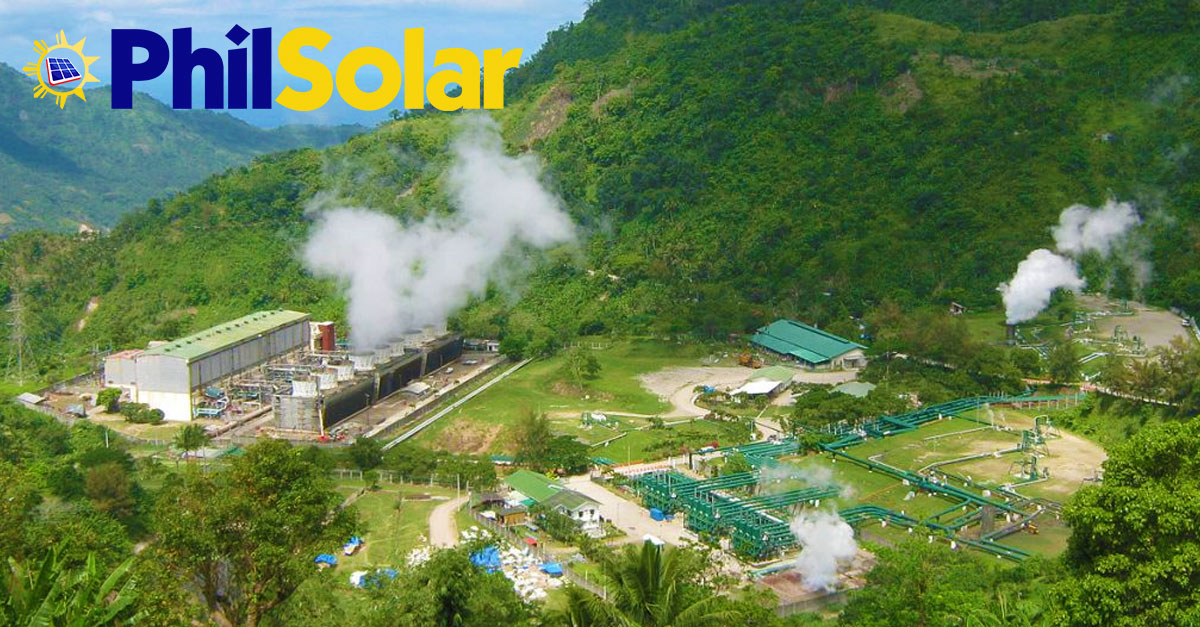
The Philippines are working on Renewable Portfolio Standards that would require distribution utilities to source a portion of their power supply from eligible renewable-energy (RE) sources, such as geothermal.

As reported from Manila, the National Renewable Energy Board (NREB) of the Philippines has endorsed proposed rules on renewable portfolio standards (RPS) to the Department of Energy (DOE) of the country. The Portfolio Standards would require distribution utilities (DUs) to source a portion of their power supply from eligible renewable-energy (RE) sources, as reported by the Business Mirror.

“This week I will endorse it already to the secretary. Hopefully, it will be then be signed the following week to start the ball rolling,” NREB Chairman Jose M. Layug Jr. said in an interview during an RE forum organized by the Dutch Embassy last week.

RPS is intended to contribute to the growth of the RE industry. If implemented, this will help the agency attain its goal of maintaining the RE share in the national energy mix to at least 35 percent by 2030.

Barring unforeseen events, Layug expects the implementation of the RPS policy starting next year. “Hopefully, it will start to take effect by January 2018. RPS will definitely address issues on cost”.

The scope of proposed RPS rules include the following: types of RE sources; yearly minimum RPS requirement; annual minimum incremental percentage of electricity sold by each mandated participant, which is required to be sourced from eligible RE resources and which shall, in no case, be less than 1 percent of its annual energy demand over the next 10 years; and means of compliance by the mandated participant set by the government to meet the RPS requirements.

The following entities would be mandated to participate in the program:

DUs, licensed retail electricity supplier, directly connected customers (DCCs), supplier of last resort, entities authorized as distributors within the economic zones, and generating companies only to the extent of their actual supply to their DCCs.

The minimum annual RPS requirements will now be determined per mandated participants. A group with representatives from the NREB, Electric Power Industry Management Bureau, Renewable Energy Management Bureau, Legal Services and Energy Policy and Planning Bureau will determine details of the RPS requirements.

The minimum annual increment in the RPS level shall be initially set at 2.15 percent to be applied to the actual total supply portfolio of the mandated participant in each grid for the previous year, the draft circular stated.

RE sources include biomass, waste to energy technology, wind, solar, run-of-river, impounding hydropower sources that meet internationally accepted standards, ocean, hybrid systems, geothermal and other RE technologies that may be later identified by the DOE.

The NREB is the advisory body tasked with the effective implementation of RE projects in the Philippines.

Source: Business Mirror

Clean, renewable energy gaining momentum: industry experts

renewable energy gaining momentum in thailand asia

DESPITE INVESTMENT IN COAL, CLEAN ENERGY IS GAINING MOMENTUM

Renewable energy is gradually growing in prominence and will be the main source of power in the future for Thailand and internationally, according to industry experts.

This is despite US President Donald Trump's U-turn against the global trend towards clean renewable energy by supporting coal and other fossil fuels, and the Thai government's plans to build more coal-fired power plants.

The leaders of renewable energy businesses in Thailand said renewable energy had a bright future in the country, as the costs were decreasing and availability was expanding.

BCPG Public Company Limited president Bundit Sapianchai said the cost of renewable energy was getting lower, and it was becoming more reliable and accessible. He said he was confident that "clean" energy would be the main source of power in the future.

"In the past few years, we have observed the rapid growth of renewable energy everywhere, including in Thailand, as investments in renewable power are two to three times higher than the new investment in fossil fuels and nuclear energy," Bundit said.

"There is still plenty of room for renewable energy to grow, as the technology is progressing, making electricity generation from wind, solar and geothermal sources cheaper and more reliable."

He added that this meant a bright future for his company, adding that BCPG would continue to invest more in renewable energy in Thailand and beyond. Currently, BCPG has invested in 11 solar power projects in Thailand, which have an overall capacity of 191 megawatts.

The company also operates renewable energy power plants in Japan and Indonesia, and has opened a wind farm in the Philippines this year. Bundit said recent governments had shown a supportive stance towards renewable energy in Thailand.

But he suggested that there should be improvements to regulations to enhance investment in the clean-energy sector and eliminate legal obstructions.

He praised recent changes had made it easier to install solar panels on roofs.

"The solar rooftop liberalisation policy is a very good start," he said. "But there should be more supportive policies, such as power line privatisation, so we can push forward the new power generation trend - and we will have no need to build large, controversial fossil-fuel power plants."

SPCG Public Company Limited chief executive Wandee Khunchornyakong Juljarern said that the market for small-scale solar power generation was very active, as many business operators had purchased solar rooftop systems from her company to reduce both their carbon footprint and their power bills.

"Many business operators are very keen to invest in small-scale renewable power generation to reduce their business costs and show the public that they are concerned about the environment," Wandee said.

Her customers had reported that the use of solar rooftop panels had reduced their power bills by half, she said. Wandee added that the Thailand Greenhouse Gas Management Organisation supported the installation of solar rooftop panels to lower carbon emissions.

"The future of power generation is small-scale renewable energy like this, and I can confirm that the era of fossil fuel is ending," she added.

Meanwhile, the head of the Climate Investment Fund Mafalda Duarte, who has observed the situation in Thailand since 2000, said the country had progressed very well in the development of renewable energy.

"We have found that at first the banks in Thailand were sceptical about this kind of investment, so we had to come in and give financial support to investors. However, we have seen that the banks have more confidence in renewable energy and everything is going well in Thailand," Duarte said.

"Not only do I find that renewable energy is getting more popular in Thailand, but also that local people gain many benefits from renewable energy development, as their quality of life is improved and the clean environment is preserved."

However, she suggested that the government should have a more firm policy towards renewable energy, noting that it still supported fossil fuels and was not very keen to push forward the transition to renewable clean energy.

According to Power Development Plan 2015, Thailand has pledged to increase the portion of renewable energy to 20 per cent in 2036 from the current 8 per cent. Nevertheless, the portion of energy generation from coal will still be 25 per cent in 2036.
Sustainable Energy for Green Living

sustainable energy for green livingRegardless of where you live and how old you are, chances are you have been hearing a lot about sustainable and green living in the last couple of years. Both of these have come a long way from being marginal avant-garde concepts to becoming one of the most influential disciplines in modern science and societies. And even though these terms get mentioned quite a lot, not everyone knows what exactly they stand for, and even more important - how to achieve them.

The pivotal principle of sustainable living lifestyle is obtaining resources with minimal effects on the environment in order to ensure a better and brighter future for next generations. This is especially important when it comes to food and energy production, which both underwent radical changes in the last couple of decades.

Perhaps one of the biggest advancements linked to green living was the invention of solar energy, which enables humans to harness the Sun’s potential without tampering with the environment. Practical, affordable and easy to maintain, solar panels have become more popular than ever. Being able to produce as much as 4,000 kWh per month when placed on rooftops, they be used to cover as high as 80% of the energy consumed by a modern average household. And it gets even better, as some governments promote and support switching to solar energy by giving out grants for domestically produced electricity, meaning that they start paying off after 10 years of usage.

Wind turbines are also becoming more popular amongst those looking to go green. Although usually not a pretty sight, and criticized for their tendency to make squeaky noises, they can be a useful feature for farms and houses with big outdoor areas looking to utilize the winds to generate some more power. A medium-sized and well placed wind turbine can generate significant amounts of energy, from 0.5 kWh up to 2,5 kWh, making wind power the second best renewable investment after solar.

Coming in at third place is hydropower, the oldest way of generating power known to humankind. A hydroelectric system converts the force from flowing water into electricity. Kinetic energy of water flowing downhill from a stream or river is directed onto a wheel in a turbine that converts the rotational energy to electricity. The amount of power produced depends on the volume of water flowing onto the turbine and the vertical distance it falls through the system. Most microhydro systems generate from 70 to 350 kWh per month, which makes them one of the most efficient green technologies available out there. However, their major and obvious drawback is that they are limited to households and estates with access to streams and rivers, making them impractical for smaller and homes in urban areas.

With so many new technologies and innovations becoming accessible and affordable, there is really no excuse for not going green, regardless of your location and the size of your home. Sustainable and green living has something in store for everyone, offering a wide range of solutions that can help you preserve the environment while also helping your budget.

The World's Largest Floating Solar Power Plant just went Online in China

worlds largest floating solar power plant china

[intense_dropcap]T[/intense_dropcap]his sprawling, floating solar power plant could change the way other nations design city centers.

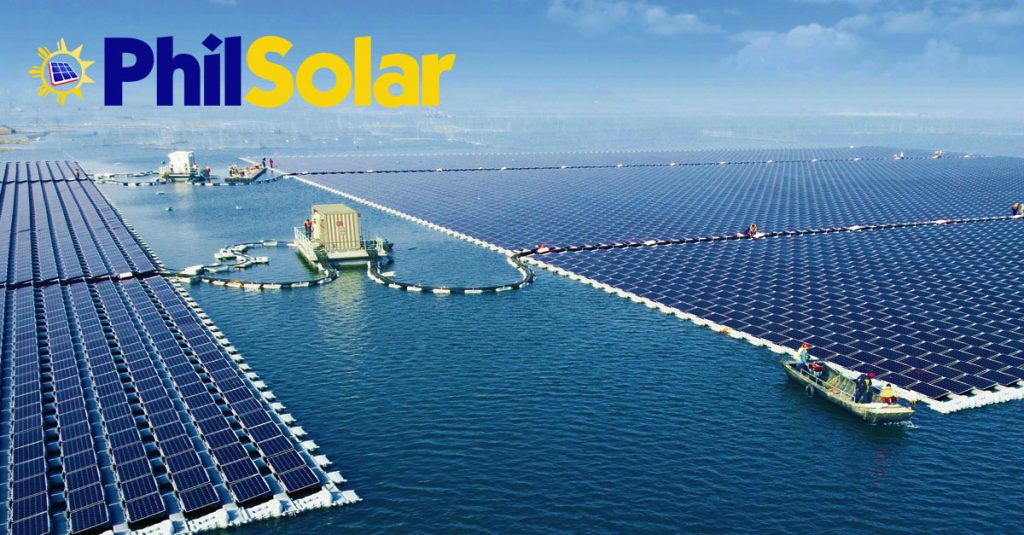
China has announced that the largest floating photovoltaic (PV) facility on earth has finally been completed and connected to the local power grid. Long reviled for its carbon emission record, this is the Chinese government’s latest achievement in its ongoing effort to lead the world in renewable energy adoption.

Located in the city of Huainan in the Anhui province, the 40-megawatt facility was created by PV inverter manufacturer Sungrow Power Supply Co. Ironically, the floating grid itself was constructed over a flooded former coal-mining region.

Floating solar farms are becoming increasingly popular around the world because their unique design addresses multiple efficiency and city planning issues. These floating apparatuses free up land in more populated areas and also reduce water evaporation. The cooler air at the surface also helps to minimize the risk of solar cell performance atrophy, which is often related to long-term exposure to warmer temperatures.

This is just the first of many solar energy operations popping up around China. In 2016, the country unveiled a similar 20MW floating facility in the same area. China is also home to the Longyangxia Dam Solar Park, a massive 10-square-mile, land-based facility touted as the largest solar power plant on earth.

This transition to solar is in large part due to the rapidly plummeting cost of the technology itself. By 2020, China could reduce prices offered to PV developers by more than a third with solar power plants projected to rival coal facilities within a decade. The nation has also announced plans to increase its use of non-fissile fuel energy sources by 20 percent.

An annual report released by NASA and NOAA determined that 2016 was the warmest year on record globally, marking the third year in a row in which a new record was set for global average surface temperatures. That said, if we as a species hope to reverse this dire trend, initiatives like this and others will need to be adopted around the globe.

Report: Renewables offer cheaper, more reliable power for Philippines' small islands

renewable energy philippines

[intense_dropcap]B[/intense_dropcap]ANGKOK (Thomson Reuters Foundation) - The Philippines can save $200 million a year and build a more reliable energy supply for millions of residents on its small islands by replacing diesel generators with renewable sources such as wind and solar, said a report released on Monday.

The switch would require at least $1 billion in private investment in the short term, but the sum would be offset by savings of $200 million each year - an expense currently borne by users, the report said.

Many of the archipelago nation's small islands cannot access larger electricity grids.

Mini-grids powered by generators that use imported diesel and oil serve approximately 800,000 households, but there are frequent blackouts, said the report by the U.S.-based Institute for Energy Economics and Financial Analysis (IEEFA) and Manila-based Institute for Climate and Sustainable Cities (ICSC).

Less than 10 percent of 233 small islands have 24-hour electricity, while more than 70 percent have less than eight hours of electricity per day, according to the ICSC.

Modernizing small island power systems with renewables will supply cheaper, efficient, secure, cleaner power, the report said.

[intense_blockquote]"Renewable energy systems are not only sustainable but affordable and secure because there is no fuel requirements," Sarah Ahmed, IEEFA's energy finance analyst and the report's main author, told the Thomson Reuters Foundation.[/intense_blockquote]

Since 2009, solar power costs have fallen by 90 percent and that of wind power has fallen 50 percent, the report said.

Yet many small islands in the Philippines have not turned to renewables due to a host of factors including outdated regulations, it said.

This includes a lack of incentives for island electric cooperatives - small, customer-owned utilities controlled by locally elected boards - to procure cheaper sources, and slow implementation of a 2008 law meant to promote the development of renewable energy, it added.